Chapman Mill Pond
Description
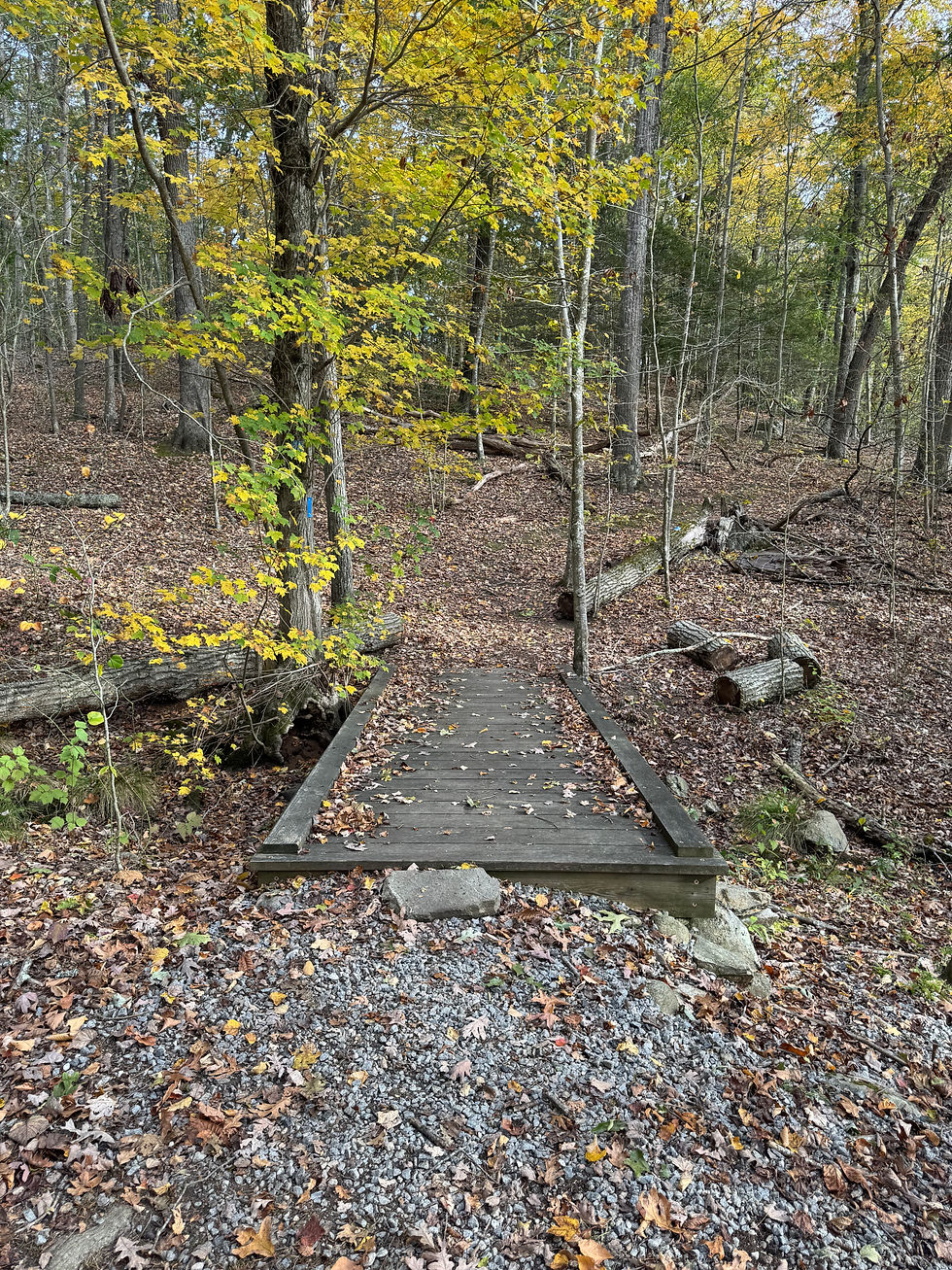
The Chapman Mill Pond Trail in Westbrook is a short, scenic loop that circles Chapman Mill Pond and offers peaceful water views throughout the walk. The trail follows flat, well-maintained paths and includes sections of boardwalk that pass over wetlands, making it accessible and easy for most hikers. Along the route, you can see the historic dam that once powered the Chapman Mill, adding a small but interesting piece of local history to the hike. The pond attracts waterfowl and other wildlife, especially in the early morning or evening. This is a great option for a quick, relaxing walk or a casual nature outing close to town.
Trail Map
Map Credit: Westbrook, CT

Difficulty

Easy

Moderate
The majority of this trail is on the easier difficulty side, but it does feature areas with inclines and declines that become more difficult. This trail gets especially muddy after rain or snow melt which can make a lot of the trail a more moderate slippery difficulty.
Trail Type
Loop
Estimated Time
1-2 Hours
Total Length
2.5 Miles
History
Chapman Mill Pond was formed in the mid to late 1800s with the construction of a dam to support the Chapman Mill, a small water-powered industrial operation serving the Westbrook area. The pond provided a steady and controllable water source, allowing the mill to operate machinery essential for local production at a time when water power was the primary energy source. Mills like Chapman were common along Connecticut’s shoreline streams and played an important role in supporting nearby farms, trades, and growing communities during the 19th century.

Image Credit: eBay

Image Credit: Shoreline Hikes
As industrial technology advanced and steam and electric power replaced water-driven mills, small operations like the Chapman Mill became less practical. The mill eventually ceased operations, and its structures were dismantled or lost to time, though the dam and pond remained. Over the decades, the area transitioned away from industrial use and was ultimately preserved by the town as open space. Today, Chapman Mill Pond stands as a quiet reminder of Westbrook’s early industrial history, with the trail allowing visitors to walk through a landscape shaped by both human engineering and natural recovery.
Pictures